Hilona: A Serif Font with Handwritten Charm
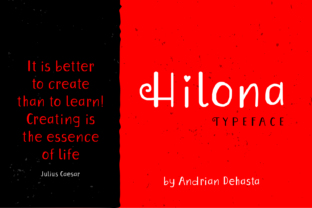
In the world of digital design, finding a typeface that balances personality with professionalism is a rare discovery. Hilona emerges as a charming serif font that masterfully blends the structured elegance of traditional serifs with the warm, organic appeal of handwritten script. This unique combination allows it to convey sweet, approachable messages while maintaining the legibility required for longer-form body text, making it a versatile asset for a wide range of creative projects.
The Visual Impact of a Hybrid Typeface
From a graphic design perspective, typography is the voice of your visual communication. Hilona speaks with a tone that is both friendly and refined. Its serif roots provide a foundation of stability and readability, ensuring that paragraphs of text remain clear and comfortable to read. Meanwhile, its subtle handwritten qualities introduce a human touch that can instantly soften a brand's identity, making it feel more personal and relatable. This duality makes it exceptionally useful for designers aiming to create a modern aesthetic that doesn't sacrifice warmth for style.
Practical Applications for Hilona
The true value of a font like Hilona lies in its adaptability across various design contexts. Its legibility and distinct character allow it to enhance numerous creative assets and design workflows.
- Branding and Logo Design: Hilona can serve as the primary or secondary font in a brand identity system. It's particularly effective for brands in the lifestyle, wellness, artisanal, or boutique sectors where a personal connection is key.
- Marketing and Social Media Graphics: Use Hilona for headlines, quotes, and key messaging in digital marketing campaigns. Its sweet appeal helps content stand out in crowded social media feeds, improving engagement for posts and stories.
- Editorial and Web Design: For blogs, magazines, or website UI design, Hilona can be used for pull quotes, section headers, or featured text to break the monotony of standard body fonts and guide the user's eye through the visual hierarchy.
- Packaging and Print Design: Its elegance and readability translate beautifully to packaging design, product labels, and print materials like invitations, greeting cards, and stationery, where a tactile, crafted feel is desired.
- Presentations and Digital Products: Elevate slide decks, e-books, and digital reports by using Hilona for titles and important points. It adds a layer of professionalism and creative flair that standard presentation fonts lack.
Integrating Hilona into Your Design System
When incorporating a distinctive font like Hilona, thoughtful application is crucial. To maintain a polished and professional result, consider its role within your broader design system. Pair it with a clean, neutral sans-serif font for body text to create a balanced and highly readable layout. This contrast establishes a clear visual hierarchy, allowing Hilona to shine in its intended role as an attention-grabbing yet friendly element.
Evaluate its scalability across different mediums. Test how Hilona appears in both large display sizes for posters and smaller sizes for UI components to ensure its charm doesn't compromise clarity. Furthermore, always align your typography choices with your audience's expectations and your core design goals. Hilona excels when the objective is to communicate approachability, creativity, and authenticity without losing a sense of organized structure.
Ultimately, the choice of typography is a fundamental pillar of effective visual design. Selecting a versatile and well-crafted asset like Hilona is not merely an aesthetic decision but a strategic one that influences brand perception, user experience, and the overall quality of communication. By thoughtfully integrating such creative assets, designers and creators can build more cohesive, engaging, and memorable visual narratives that resonate deeply with their audience.